
Thing that have helped us grow
Navigating Ticketing Platforms
This is part of an ongoing series: Things That Helped Us Grow notes on what’s made a real difference as we’ve built our workshop space.
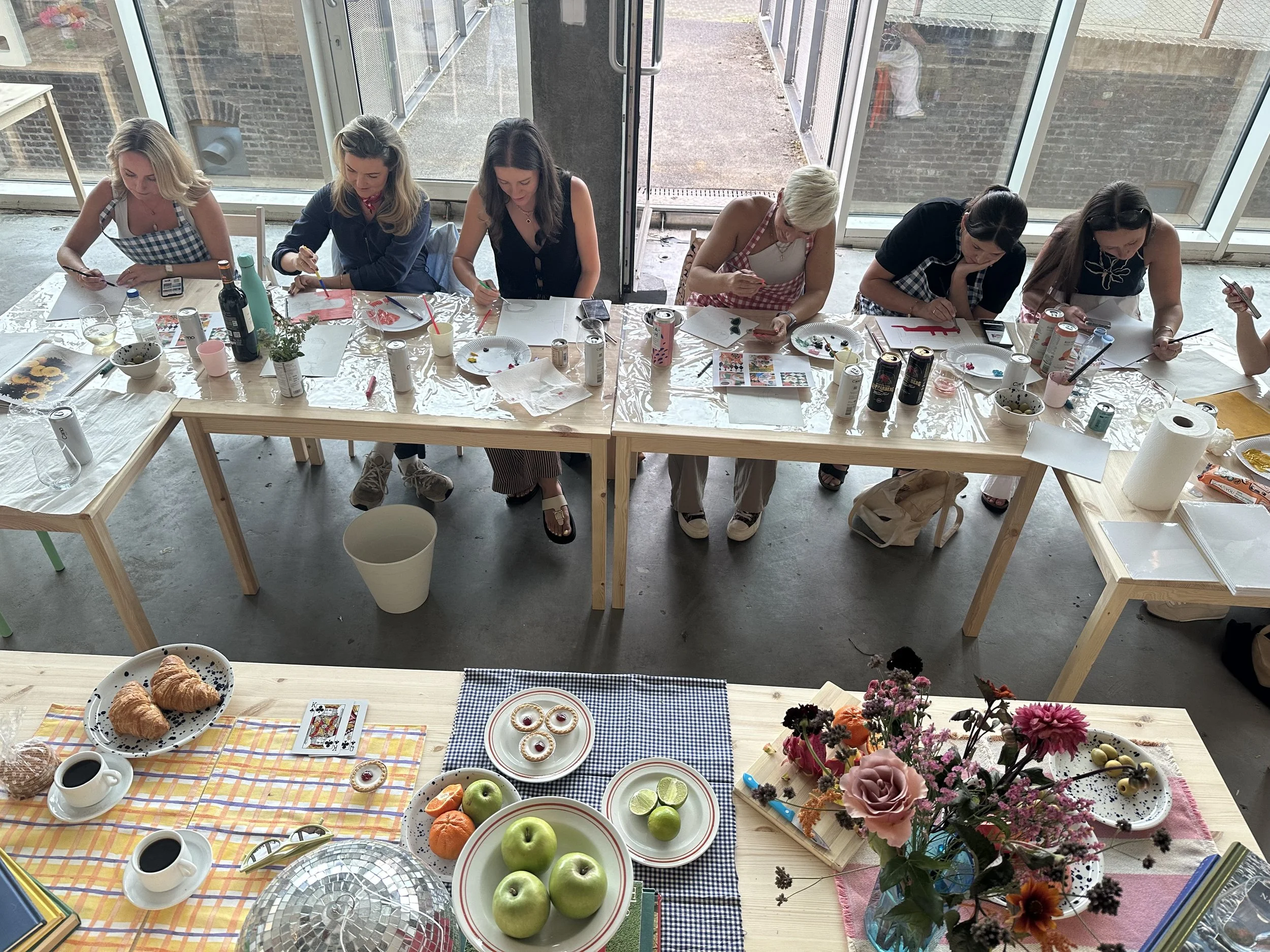
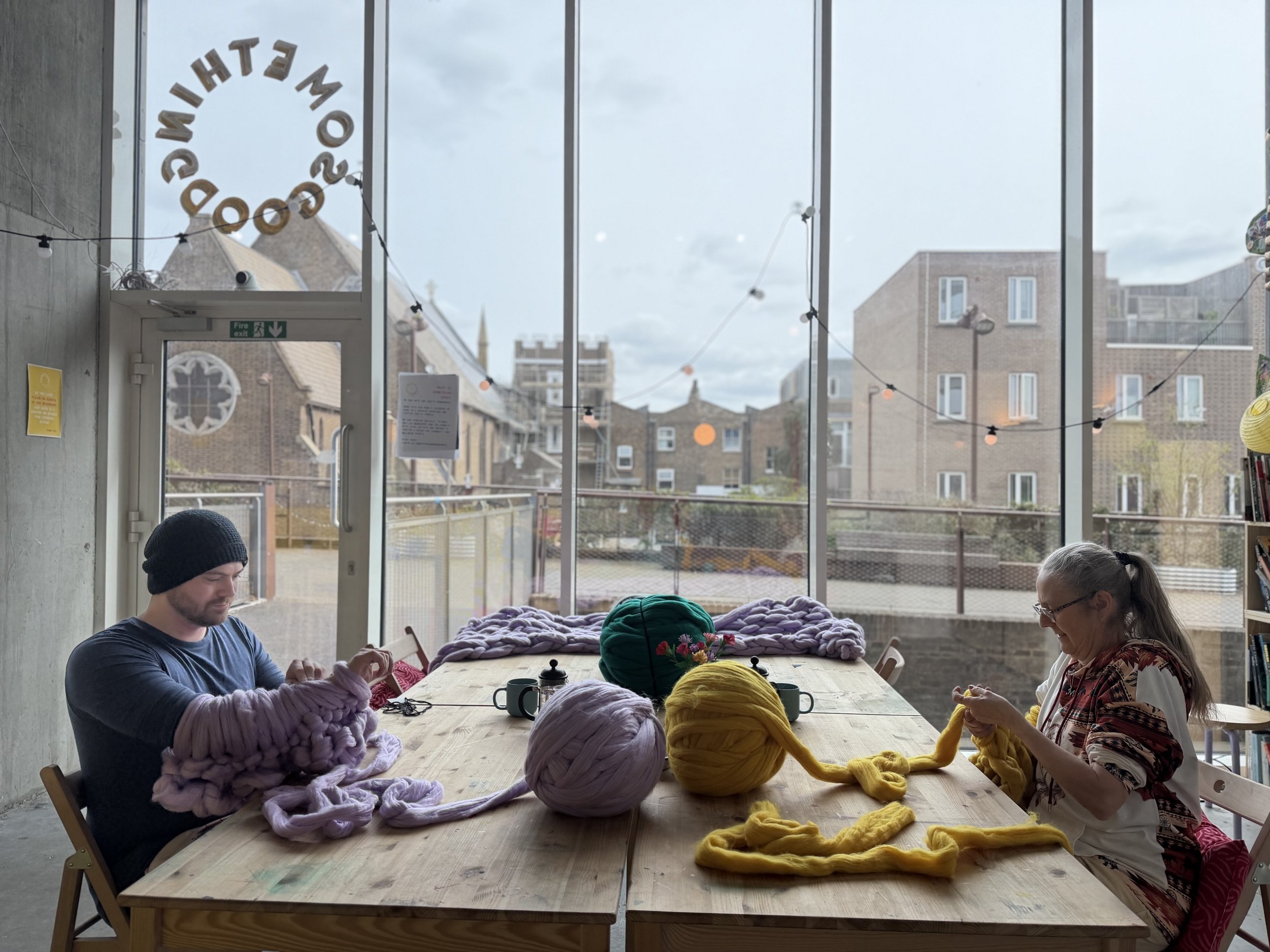
We want to share the things that helped us grow, in case they help you too
We run a small creative studio in Deptford, and like most small businesses, a lot of it has been trial and error.
This one is about how we’ve used Faire, not as a strategy, but as a practical tool that’s helped us experiment, refine, and grow at our own pace.
There are plenty of platforms out there to list and share your workshops and events.
This is a quick look at what we’ve found has worked for us, and how we think about spreading bookings across multiple platforms without making things harder than they need to be.
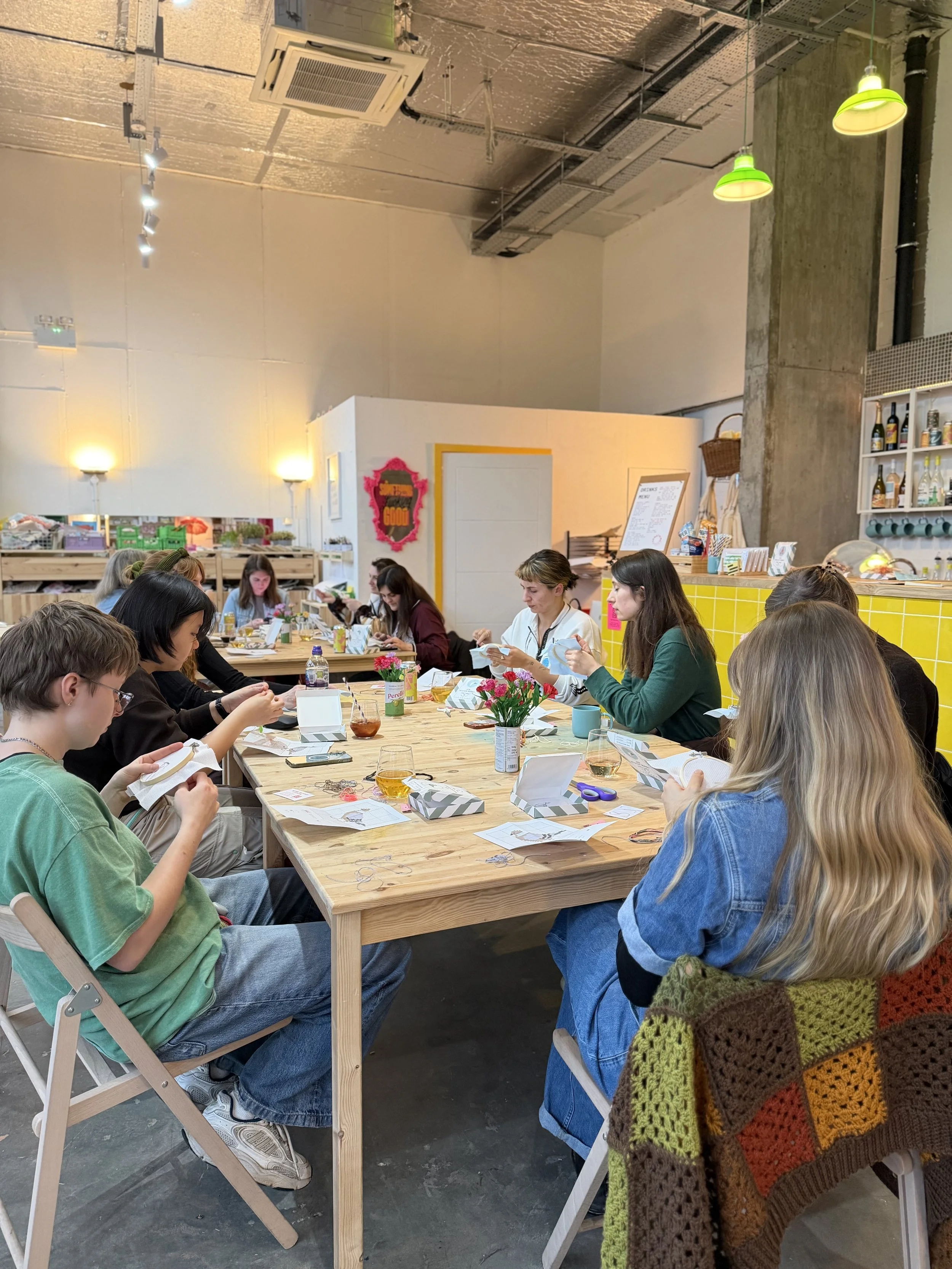
For context, we run a creative workshop space in Deptford, London. Most of our growth early on came through platforms rather than our own website.
Thinking in terms of incremental bookings
The most useful shift for us was thinking about platforms as incremental, rather than choosing just one.
Each one brings slightly different people:
some are planning ahead
some are browsing for something new
some are booking last minute
The goal isn’t to be everywhere at once, but to understand what each platform adds, and whether that outweighs the time and energy it takes to manage it.
What is your primary platform, and why?
What provides the best balance of commission, organic traffic and admin tools?
How much are you willing to pay for the class to have a higher numbers of attendee?
Eventbrite
This has been our second most useful platform.
We’ve found it particularly good for:
last-minute bookings
people looking for something new to try
more spontaneous or experiential audiences
It’s great for listing events which aren’t the craft workshops that classbento promotes best and for when we’re collaborating with guest artists. It’s well known and trusted.
To avoid errors, we’ll often list on eventbrite after we know a slot has started booking.
Outsavvy
We’ve used Outsavvy more selectively, especially for one-off events and parties.
It’s been useful for reaching different communities and spreading the word more widely when we want something to feel a bit bigger or more social.
Craft Courses
This feels like a platform with a lot of potential.
It hasn’t been as immediate for us yet, but it’s one we see growing, particularly because the audience is very aligned with what we offer.
Design My Night
We’ve found this one a bit harder to build on.
It’s more curated, and the commission structure applies regardless of where the booking comes from. That changes the equation slightly, especially when you’re already driving your own traffic.
Tag Venue
Not necessarily for workshops, but we use Tagvenue to open our space to facilitators and groups who may want to hire the space for their own sessions.
Who we use - and why
Classbento
This has been our primary platform.
Early on, it brought in the most relevant audience (looking for craft workshops) and helped us build momentum.
The integration is simple, and the widgets have made it easy to take bookings directly at a lower commission, while still benefiting from their reviews and trust signals.
It’s been a strong foundation, especially while we’ve been growing.
The trade-offs
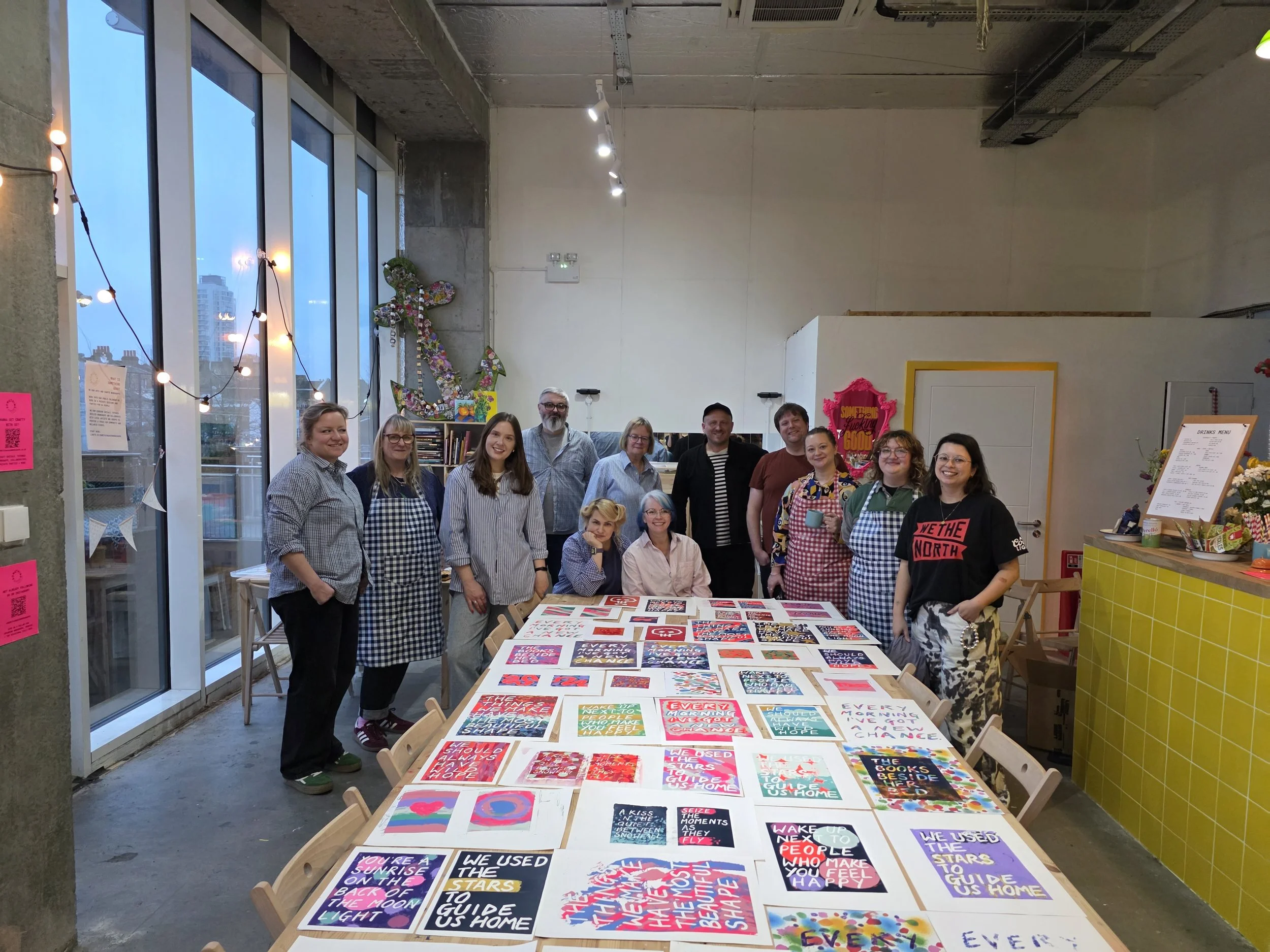
Using multiple platforms does come with friction.
Things we’ve had to think about:
keeping listings consistent across platforms
avoiding double bookings
managing capacity carefully
balancing commission rates with actual value
There’s a point where adding another platform stops being helpful and just creates more admin.
Some of the ways we’ve reduced stress:
Combined google calendar that updates with bookings
Having a clear primary platform where things are listed first, then adding booked workshops to follow on platforms afterwards to increase attendance